
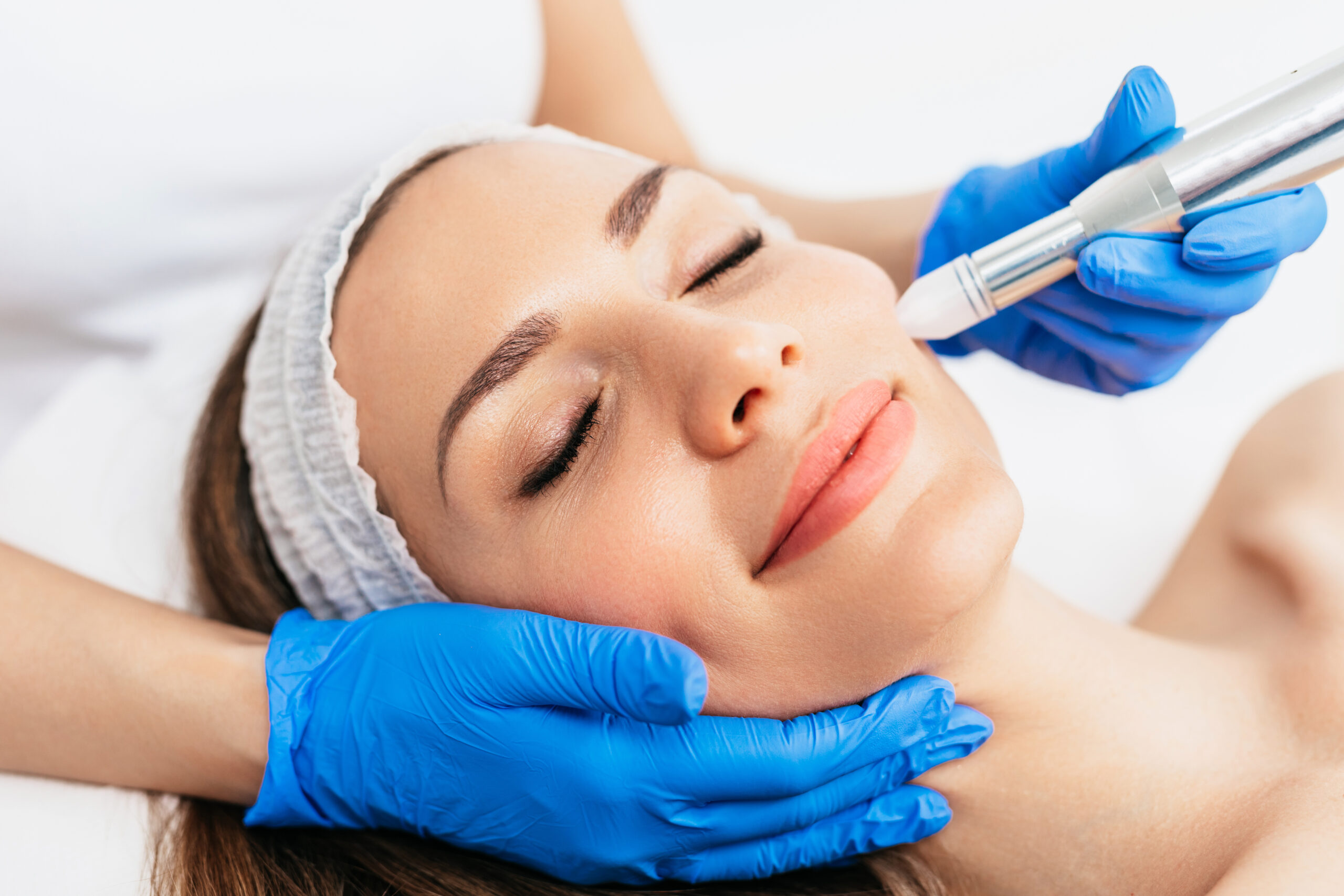
If you want smoother, healthier-looking skin, you may have heard about PRP microneedling. This combination treatment pairs the collagen-stimulating effects of microneedling with platelet-rich plasma (PRP), using your body’s own platelets to support the skin’s natural healing process.
But what makes combining these treatments so appealing? The answer lies in how they complement each other.
How Does PRP Microneedling Boost Your Results?
The key advantage is that the two treatments work together rather than simply performing separate functions.
Microneedling creates controlled micro-injuries that tell your skin to begin repairing itself. PRP adds concentrated platelets and growth factors to that healing environment. This combination may support collagen production and the skin’s natural regenerative response.
As collagen remodeling takes place, your skin may gradually appear smoother, firmer, and more even. PRP microneedling is commonly considered for concerns such as acne scars, fine lines, uneven texture, enlarged pores, and certain pigmentation concerns. The AAD notes that combining microneedling with PRP can be particularly useful for improving the appearance of acne scars.
The goal isn’t an overnight transformation. Instead, improvements develop progressively as your skin produces new collagen and goes through its normal healing process.
What Results Can You Expect After Treatment?
It is normal to experience temporary redness, sensitivity, or mild swelling after microneedling. These effects generally settle as the skin recovers.
More noticeable improvements take time. Because collagen production and remodeling happen gradually, you may begin seeing changes within several weeks, with results continuing to develop over the following months. Some people may also need a series of treatments depending on their skin concerns and desired outcome.
Your provider can recommend an appropriate treatment schedule based on your skin, goals, and response to previous treatments.
Is PRP Microneedling Right for You?
PRP microneedling can be an appealing option for people looking to improve skin texture, acne scarring, fine lines, or overall skin quality without relying solely on more aggressive resurfacing procedures.
However, not every treatment is appropriate for every person. Active skin infections, certain medical conditions, medications, healing concerns, and other factors can affect whether microneedling is advisable. A professional skin assessment is an important first step. The AAD recommends an individualized evaluation before microneedling to determine whether the procedure is appropriate and how it should be performed.
At Rose MD Aesthetics, treatment is approached from a physician-led perspective, with care plans built around each patient’s goals and clinical needs rather than a one-size-fits-all protocol.
Why Choose a Physician-Led Approach?
Your skin deserves more than a trend-based treatment plan. Microneedling is a medical procedure, and the technique, treatment depth, patient selection, and aftercare all matter.
Rose MD Aesthetics is a physician-led practice in Troy, Michigan, where board-certified physicians are directly involved in patient care. The practice offers both PRP injections and microneedling among its aesthetic treatments.
For additional information about microneedling and acne-scar treatment, the American Academy of Dermatology’s guidance on microneedling is a useful medical resource.
Why Choose Rose MD in Troy, MI?
When you choose Rose MD, you are choosing a physician-led approach. Microneedling is a medical procedure, not a spa add-on, and the details decide the outcome: treatment depth, needle technique, how the PRP is prepared and applied, whether you are a suitable candidate in the first place, and how your skin is cared for afterward.
At Rose MD Aesthetics in Troy, Michigan, board-certified physicians are directly involved in patient care. That means your skin is assessed clinically before anything is recommended, your treatment plan reflects your skin type and your goals rather than a standard protocol, and your provider can adjust the approach as your skin responds across a series of sessions.
It also means honest expectations. You will be told what PRP microneedling can realistically improve, how long it should take, and when a different treatment would serve you better. The practice offers both PRP injections and microneedling, so recommendations are guided by what fits your skin, not by what happens to be on the menu.
Final Thoughts
PRP microneedling works by bringing two complementary approaches together: microneedling stimulates the skin’s repair process, while PRP supplies concentrated platelets and growth factors that may support healing and regeneration.
Rather than promising instant results, the treatment is designed to encourage gradual improvements in skin quality as collagen remodeling takes place. If you’re considering PRP microneedling, a personalized consultation can help determine whether it’s appropriate for your skin and what type of results you can realistically expect.
FAQs
1. What skin concerns can PRP microneedling improve?
It may help improve the appearance of acne scars, fine lines, uneven skin texture, enlarged pores, and some pigmentation concerns. Your provider can determine whether it is appropriate for your specific concern.
2. How long does it take to see PRP microneedling results?
Results develop gradually. Some improvement may become noticeable within a few weeks, while collagen remodeling can continue for several months.
3. How many PRP microneedling treatments are needed?
The number varies depending on your skin condition and goals. Some concerns require a series of treatments rather than a single session, so your provider can recommend a personalized schedule.